book review · The End of Eternity
The End of Eternity
2026-08-15 · 3 min read
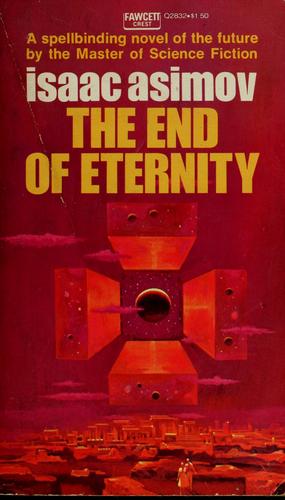
Picked up an old Fawcett Crest paperback of this at an auction, cover art gone that particular sun-bleached orange old genre paperbacks get, and read it in two sittings on a slow week. Eternity is an organization that exists outside normal time, quietly making minimal changes to history to head off catastrophe before it happens, and the book follows Andrew Harlan, one of their technicians, whose job is calculating exactly how small a change needs to be to still work.
What struck me most is how little interest the book has in paradox-panic, the genre furniture I expected going in and mostly didn’t get. Instead it’s asking something colder and more interesting, what does it cost a species to have every genuine risk quietly smoothed away before it can happen, what do you lose along with the catastrophes you’re preventing. One reader put it well, that the heroic and the terrible get edited out together, and there’s something bleaker in that than in any single averted disaster.
The twist near the end, once it lands, recasts a lot of what came before, and I’d rather not spoil the shape of it, but I’ll say it justifies a slower first half that some readers have found a little flat on character, mostly Harlan’s own interiority carrying scenes that could’ve used more people in the room with him. It’s also very much a product of 1955 in how it handles its one major female character, worth knowing going in if that kind of dated gender writing takes you out of a book the way it sometimes does me.
Overlooked next to Foundation and the Robot books, and I think that’s a mistake. This is tighter and, oddly, more emotionally direct than either of those, for all its cold premise.