book review · The Sparrow
The Sparrow
2026-03-26 · 3 min read
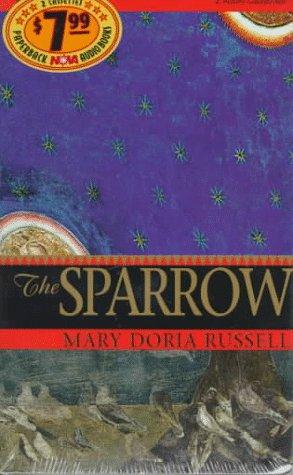
I bought a discounted trade paperback of this at a library sale table years ago, mostly for the cover, then it sat on a shelf behind other things until a customer asked if I had a copy and I realized I’d never actually read mine. Fixed that this spring. The structure alternates between a Jesuit mission’s arrival on an alien world and the sole survivor’s return to Earth, broken and under suspicion, and the book lets you sit with the knowledge that something went badly wrong long before it tells you what.
What makes it work is how reasonable every single step is. Nobody in this story makes an obviously stupid decision, the mission is staffed by smart, careful, genuinely good people making sound choices with the information they have, and the tragedy compounds out of small, understandable misreadings of an alien culture rather than one dramatic mistake. Reading it, I kept thinking of it less as a disaster novel and more like watching my own brain through Bikram yoga, one reader’s description that’s stuck with me since, uncomfortable in a way that’s doing real work on you.
The characters carried it for me more than the plot mechanics did, particularly Emilio Sandoz, whose faith and eventual devastation are handled with more nuance than I expected walking in. Some readers I’ve come across found the cast a little cardboard, too neatly likable before the fall, and I understand the complaint even though I didn’t share it, the warmth of those early chapters is exactly what makes the back half land as hard as it does.
Hard to classify cleanly, science fiction and theology and anthropology all doing real work at once, and better for refusing to pick just one lane. I finished it and immediately wanted someone else to have just read it too, so we could talk about it.